Published November 4, 2026 · Mercer Island Resto
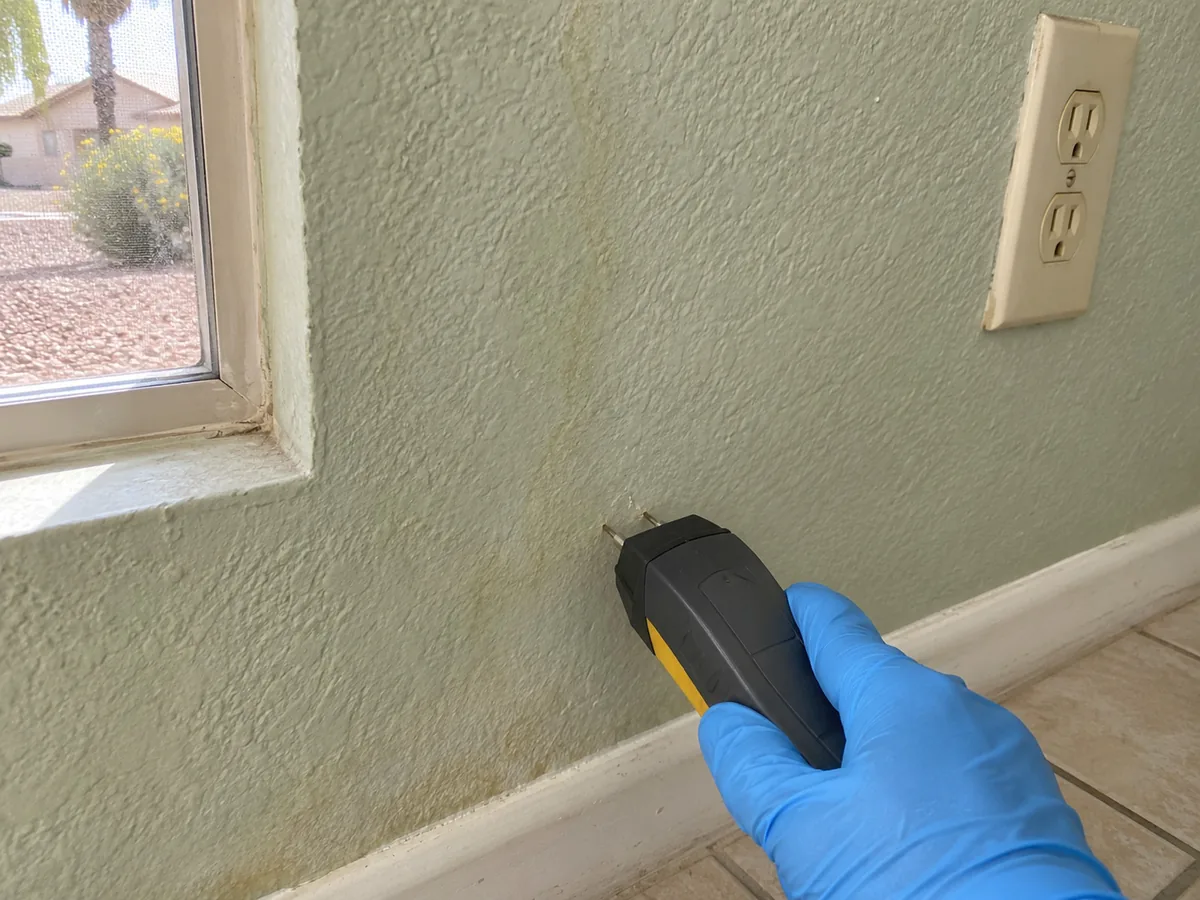
The best place to begin a rain check is the spot where your house got wet last time. A downspout, a surface drain, and a basement door can all be involved in the same event, but fixing one does not automatically resolve the others. Make a record of the route before deciding what work the property needs.
Make a short record of the last water entry
Write down the room, the wall or opening where water first appeared, and the conditions at the time. Did the wetting start during rain, after several hours of rain, or after the weather had cleared? Did anyone use a bathroom or appliance immediately before the stain appeared? Those details help separate an exterior entry problem from an indoor leak that happened during the same storm.
Keep one wide photograph of the room and one of the entry point if those images can be taken safely. Add the date and a plain description. “Water at the lower door after rain” is useful evidence. “The foundation failed” is a conclusion that may need a different investigation. A clear record makes it easier to compare the next event with the previous one.
Walk the route from roof discharge to the ground
From ground level, look at where downspouts discharge and where nearby surface water collects. Check whether an accessible inlet is covered with leaves or debris. Note stains, erosion marks, or water paths already visible around the building. Stay out of road traffic and moving water, and leave roof access, wet ladders, buried pipe inspection, and drain covers to the appropriate person.
A downspout that disappears underground still needs an outlet somewhere. If you do not know where it goes, keep that uncertainty in the notes rather than assuming it is working. An old drainage plan or maintenance record can help a specialist trace the system. The question is whether water has a functioning route away from the building, not simply whether a pipe is present.
Use the pattern to choose the next investigation
| What you notice | What to record | Who or what to check next |
|---|---|---|
| Water at a door or window well | Rain timing, overflow, and the outside flow route | Exterior opening and private drainage assessment |
| A ceiling stain during rain | Room location, wind exposure if known, and whether plumbing is above | Roof or building-envelope investigation |
| Water coming through an indoor drain | Fixtures involved and whether water rises without fixture use | Utility or plumber; tell cleanup staff about possible contamination |
| A wet room after a supply failure | Failed component, shutoff time, and adjoining rooms | Plumbing repair followed by material assessment |
Keep public drainage reports and private repairs connected
Mercer Island’s stormwater utility manages public conveyance that reaches Lake Washington. If the concern involves a public right of way or a suspected city drain problem, report it through the city’s current channels. At the same time, the wet materials inside your home need their own assessment. A public-system report does not arrange interior extraction or drying.
For property-specific information, see our Mercer Island water damage page. Across the lake, Bellevue restoration guidance discusses the city’s drainage resources, while our Seattle page explains the distinction between public drainage and work inside a shared building. Use the guidance for the city where the property is located.
Do maintenance before proposing a new drainage route
Removing accessible debris and changing a drain connection are different jobs. If you are considering a new outlet, grading change, or connection to a public system, check the city requirements and obtain suitable advice first. A change that improves one corner of your lot can affect a neighboring property or a different part of your own foundation.
Ask the person investigating drainage to explain the observed problem, the proposed discharge route, and how the change will be checked. Keep the resulting plan or repair record. When the next heavy rain arrives, you will have a specific condition to observe instead of only a general hope that the house will stay dry.
If water gets inside, separate safety from documentation
Keep away from standing water near electrical equipment, sewage, moving floodwater, and sagging ceiling material. For a life-threatening emergency, call 911. Do not enter a hazardous room to obtain photographs or move furniture. Tell the restoration provider what can be seen safely and whether water is still entering.
Our storm water damage service covers the questions that change the cleanup approach when water comes from outside. If a drain is backing up, review sewage backup cleanup rather than treating it as a clean supply leak. The route and condition of the water influence material handling and the work area.
A dry surface is not the end of the rain loss
After visible water is removed, flooring, wall bases, insulation, or framing may still be damp. A water mark does not show every affected layer. Ask whether the assessment includes floor transitions, adjoining closets, and areas behind built-in furnishings where the water route suggests concealed spread.
The water extraction process addresses accessible liquid. Structural drying addresses retained moisture in the building. These are connected stages, and both need to be coordinated with source correction. Repainting the stain or replacing a baseboard should follow that work, rather than become the test of whether it was completed.
Keep a rain-event record you can use again
- Record the date, room, and first visible entry point.
- Keep existing drainage plans and source repair records together.
- Identify whether a public utility, private drainage specialist, roofer, or plumber is investigating the source.
- Before repairs close the assembly, ask which materials were checked and what remains inaccessible.
- Compare the next rainfall with the documented entry route, without entering unsafe areas.
Read next or discuss an active water problem
If the leak was discovered after the house had been empty, use the separate guide to a water leak found after time away. It explains how to record an uncertain start date and arrange authorized access. For an active loss, contact Mercer Island Resto with the city, water source, and affected rooms. Call (564) 777-0869 to discuss current conditions.