MERCER ISLAND, WASHINGTON
Water Damage Restoration in Mercer Island, WA
Water extraction, structural drying, and cleanup after pipe leaks, stormwater entry, and sewage backups. Serving Mercer Island and nearby Washington communities. Emergency service is available 24 hours.
Office · Mon–Fri, 8 AM–7 PM Emergency · 24 hours
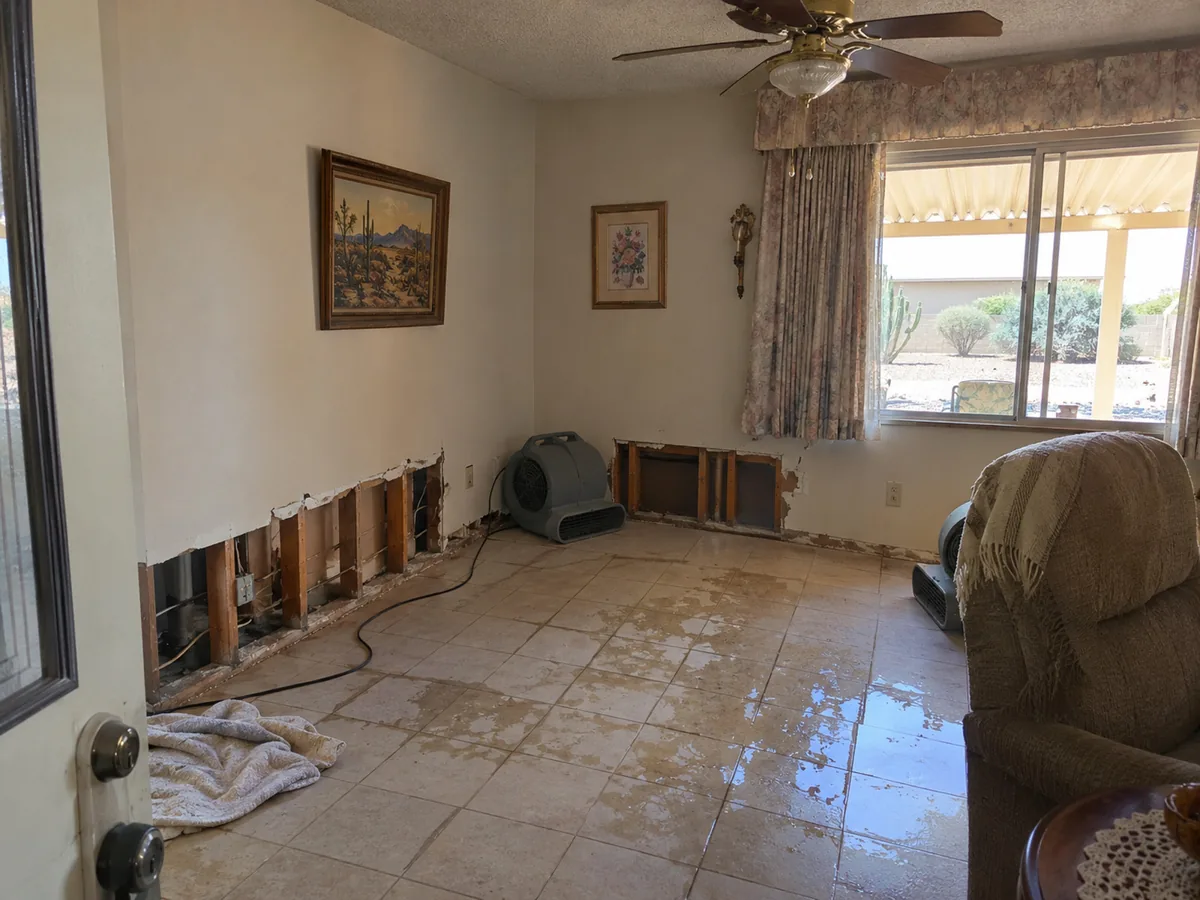
HELP FOR WHAT HAPPENED
Water Damage Cleanup
and Drying Services
Water travels beneath floors and behind walls. Start with the source, then consider every material it reached.
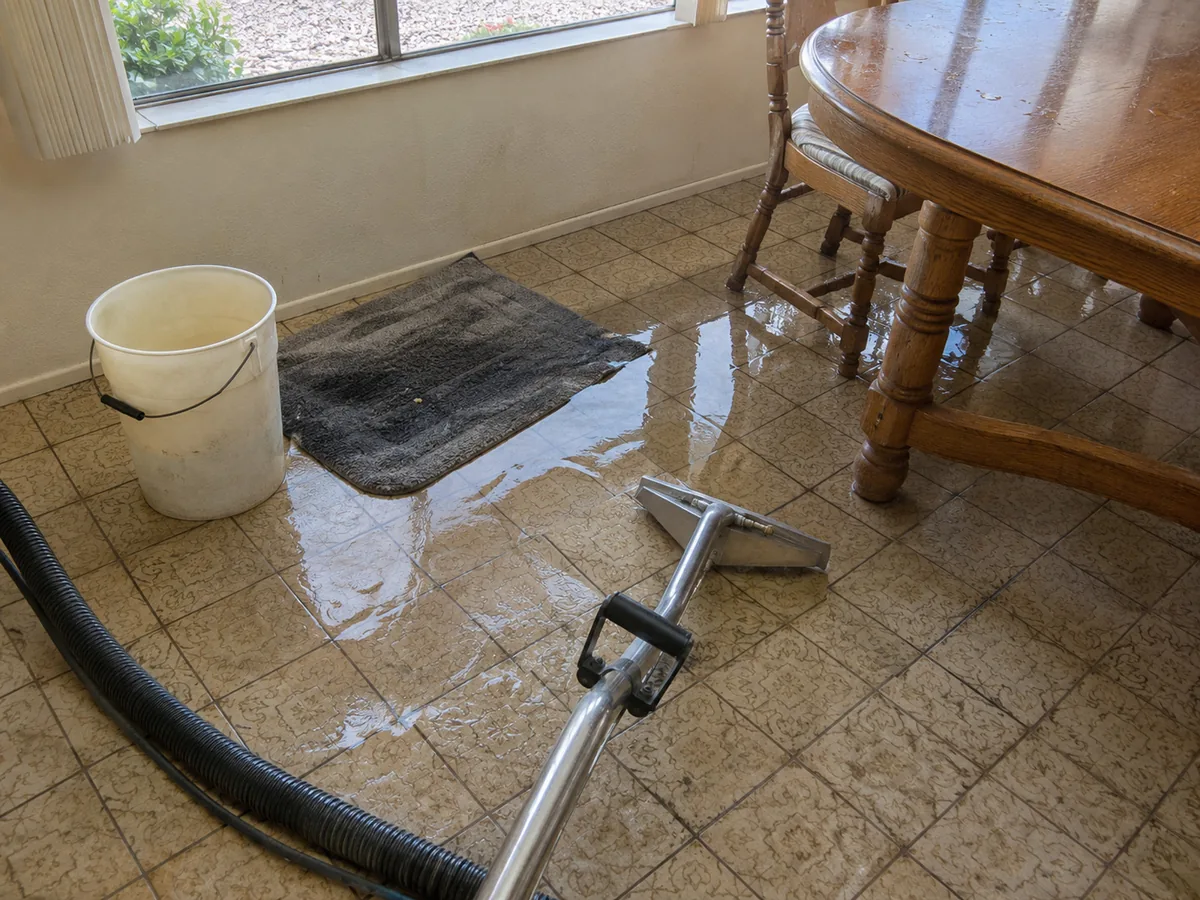
Water extraction
Remove standing water and assess what remains.
Explore service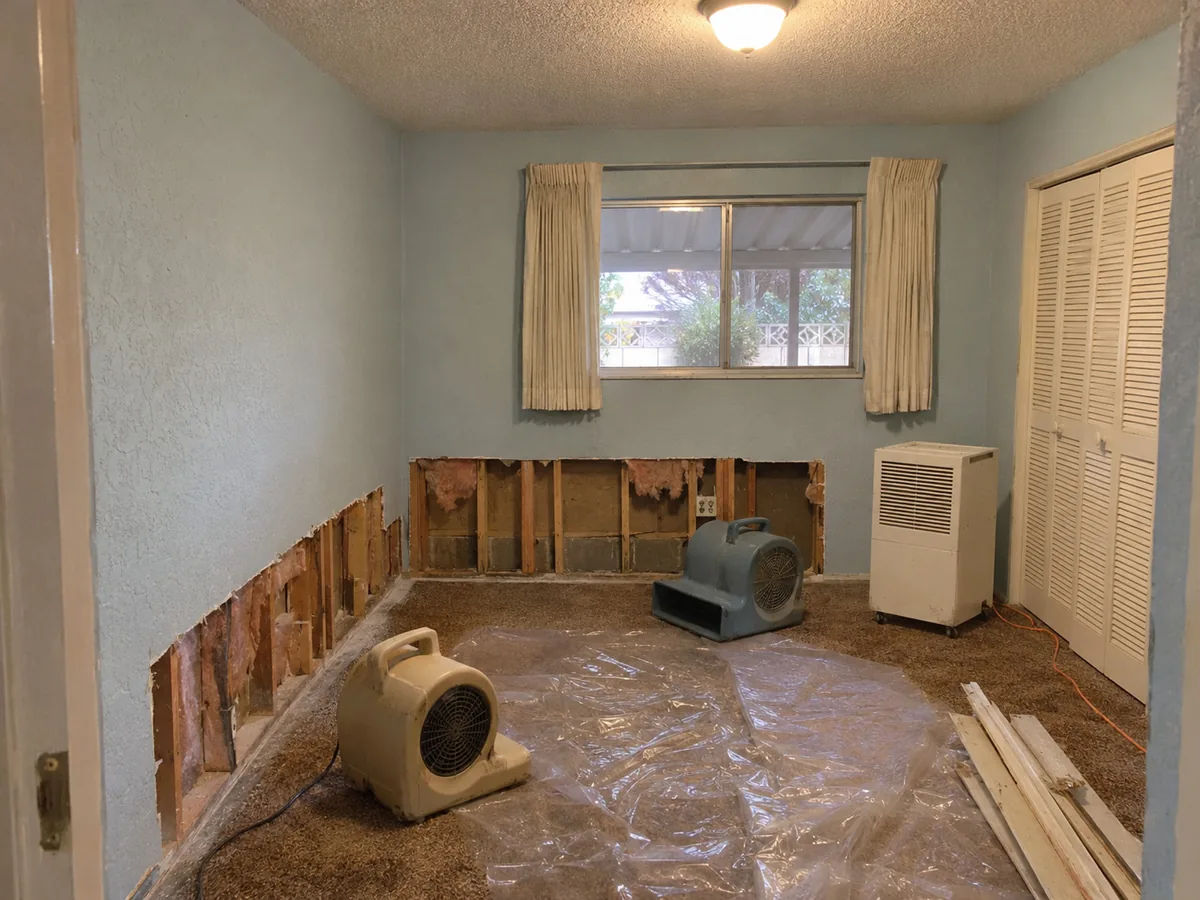
Structural drying
Dry the building, beyond the surface.
Explore service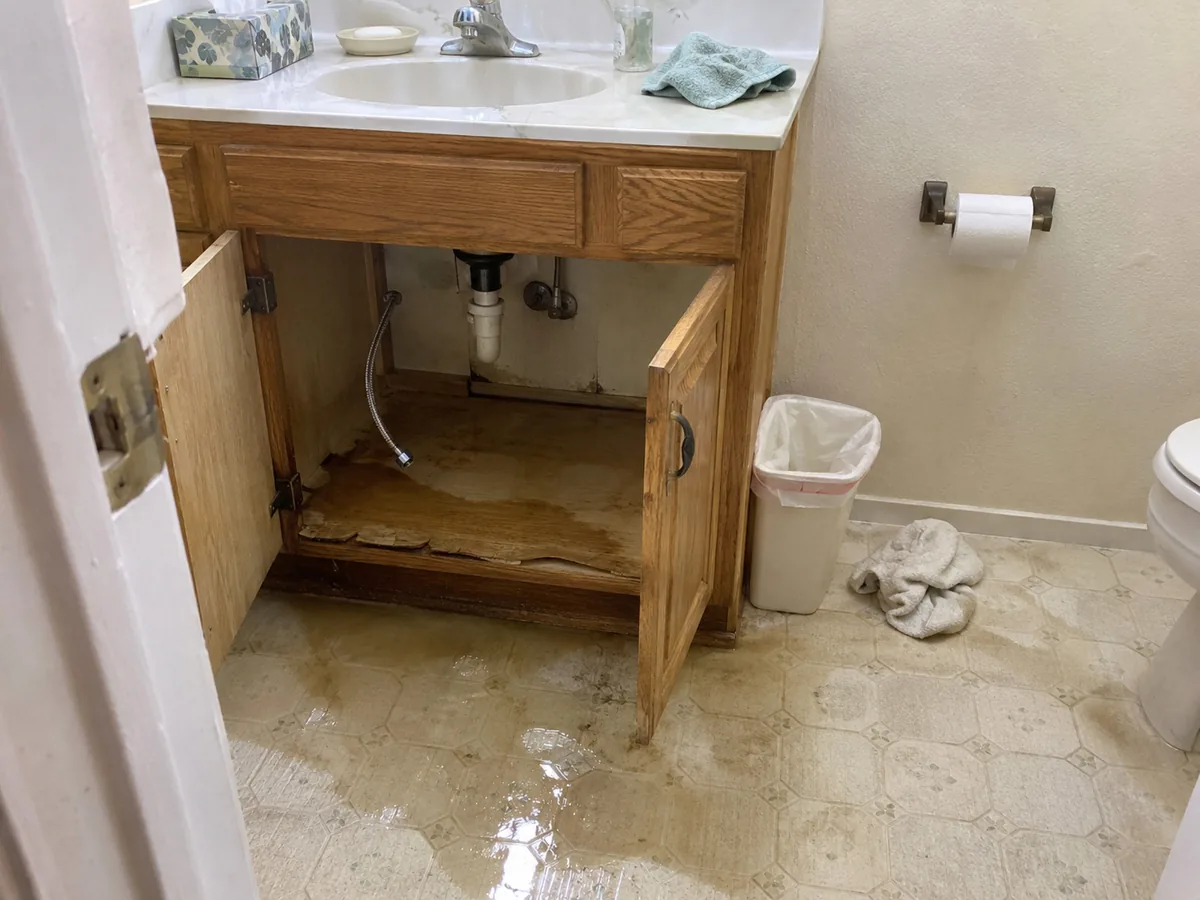
Burst pipe cleanup
Stop the supply. Trace the spread.
Explore serviceStorm water damage
A plan for water entering from outside.
Explore service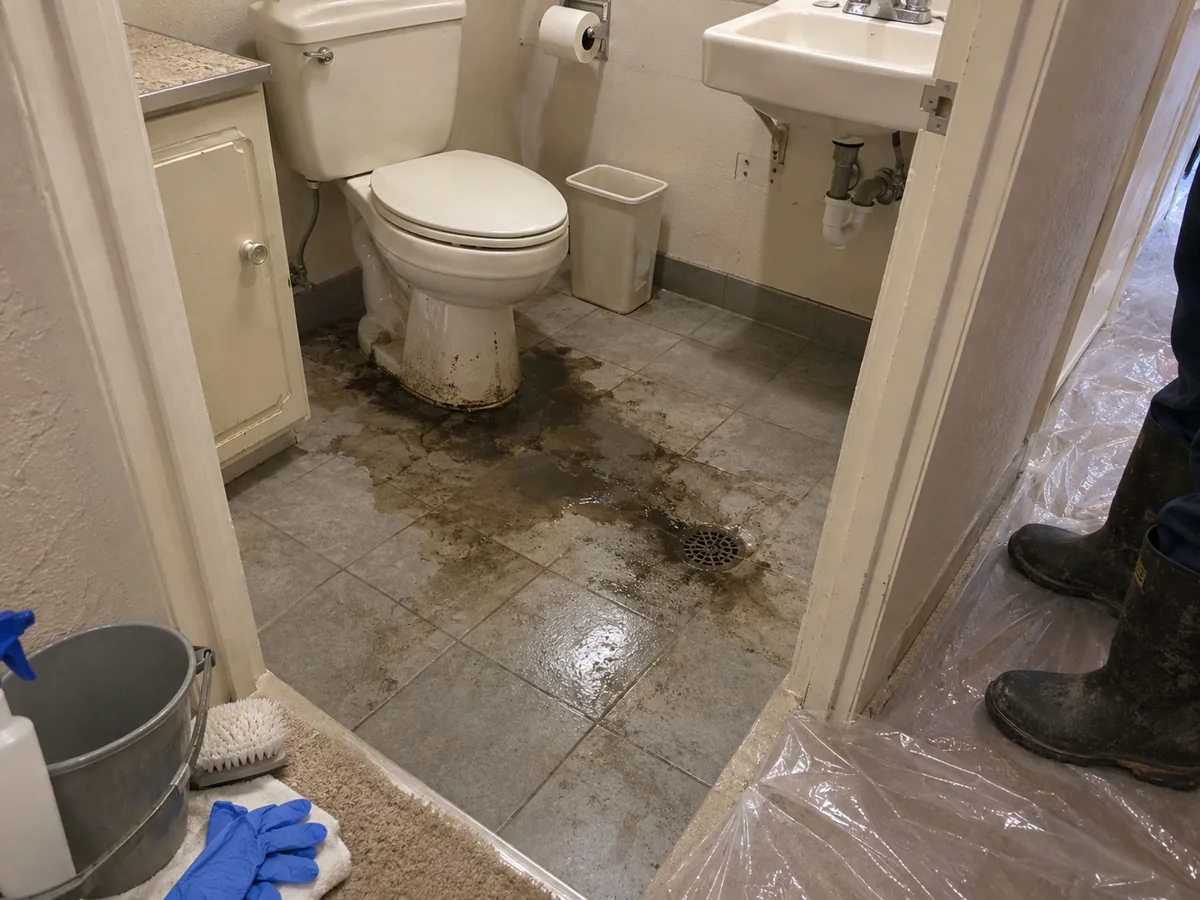
Sewage backup cleanup
Contain the area. Keep people out.
Explore service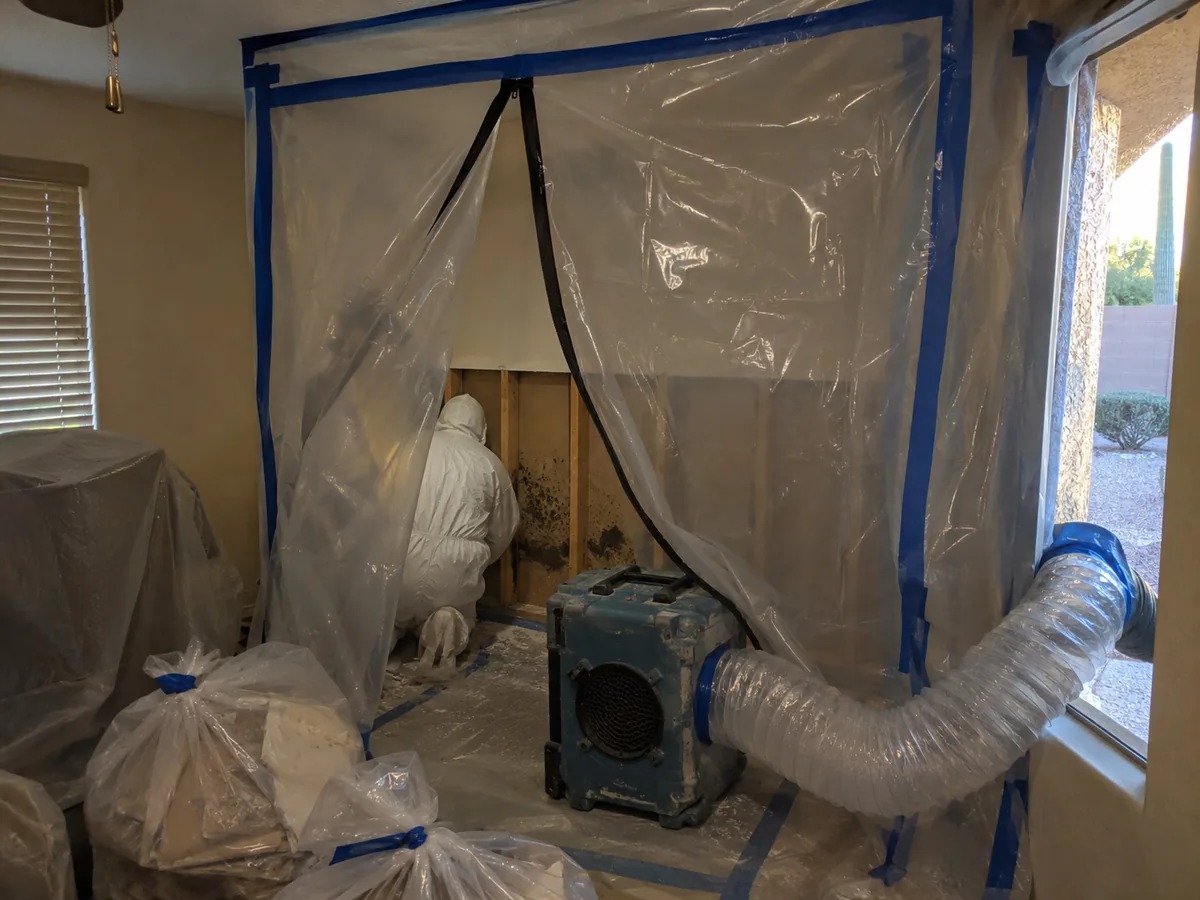
Mold and moisture remediation
Resolve the moisture behind the growth.
Explore serviceWATER DAMAGE RESTORATION IN MERCER ISLAND
What needs to happen after water gets inside
A supply line breaks beneath a sink. Water from a heater reaches the next room. Rain collects at a lower-level door. The visible damage may look similar, but the work should begin with what caused it and where the water went. Mercer Island Resto serves island properties and nearby communities with water removal, drying, and related cleanup. Call (564) 777-0869 to discuss the affected rooms and arrange the next step.
The first visit should answer practical questions. Is the water still entering? Can the area be approached safely? Which materials are wet, and which locations are hidden? Those answers help define a restoration scope you can review before work begins. They also identify when a plumber, roofer, HVAC professional, or drainage specialist needs to correct the source.
Start by stopping additional damage
If a clean supply leak has a shutoff you can safely reach, closing that valve may stop more water entering the building. Keep away from water near electrical equipment, sewage, and ceilings that are sagging or releasing material. For a life-threatening emergency, call 911. When you speak with us, describe those conditions before discussing the size of the wet area.
There is no need to carry furniture through contaminated water or open a wall to prove that it is wet. Tell us what you can observe from a safe location. The discovery time, source, and affected rooms are enough to start the conversation. Mention whether someone has already repaired the leak, removed flooring, or placed equipment, because those actions change what remains to be assessed.
Match the visible sign to the next question
| What you notice | What needs checking | Related service |
|---|---|---|
| Standing water on the floor | Source, contamination, spread beneath finishes | Water extraction |
| A damp wall after the puddle is gone | Wall base, cavity, and nearby dry reference | Structural drying |
| Water below a bathroom or appliance | Source repair and rooms on the level below | Burst pipe cleanup |
| A ceiling stain after rainfall | Roof or opening, cavity, and insulation | Roof and ceiling leak damage |
| Water rising from a drain | Backup source and contaminated materials | Sewage cleanup |
| An odor or visible growth | Moisture source and affected assembly | Mold remediation |
Water extraction removes liquid; drying addresses the building
Removing accessible water is an early step, not the whole restoration. A floor covering can trap moisture under a surface that wipes dry. A wall can absorb water above the original puddle. The cabinet beside the leak can hide a wet base while its doors appear unchanged. The assessment needs to follow these paths instead of stopping at the most obvious stain.
After extraction, the materials guide the decision. Some finishes may be suitable for drying in place. Swollen panels, damaged layers, or contaminated porous materials may require removal. Access also matters: a wet cavity cannot be assumed dry because equipment has been running nearby. Ask which areas are being checked and which remain concealed.
How water moves through a room
A drying plan should have something to measure
Ask which locations will be monitored and how the results will be compared over time. A useful record identifies the room and material. It should help explain whether the plan is progressing or whether a concealed layer, continuing source, or access problem needs more investigation.
The air and the material are different measurements. Lower room humidity can support drying, but it does not prove that a thick subfloor or the inside of a wall is ready for repair. Equipment placement, access, and inspection all have a role. Before changing window positions, moving a unit, or switching equipment off because the room feels dry, check the instructions for the job.
What can be saved depends on condition
People understandably want to retain a floor, a cabinet, or a wall finish. The decision should consider the water source, material damage, and whether the affected layers can be reached. A promise to save everything before inspection is not a useful basis for the work. Ask why each proposed removal is necessary and what will be checked before a material is retained.
An intact hard surface may present a different cleaning question from an absorbent backing or a damaged composite panel. Likewise, flooring can appear acceptable on top while its underlayment needs attention. Discuss each assembly as a whole. This helps avoid paying for cosmetic work over a layer that remains wet or unsuitable for continued use.
What changes between cleanup and repair
- Control the sourceRepair the leak or address the entry route. Confirm the area is safe.
- Remove and cleanExtract accessible water and determine which materials can remain.
- Dry and measureTrack the affected assembly, not just room humidity.
- Prepare for repairReview remaining moisture, damage, access, and finish requirements.
These stages can overlap. A plumber may repair a supply line while a separate restoration scope addresses wet flooring. Rebuilding should follow the condition of the materials rather than a date chosen before the damage was inspected.
Local drainage matters on Mercer Island
The City of Mercer Island manages stormwater conveyance that reaches Lake Washington. Its drainage work addresses issues including localized flooding and erosion. The West Mercer Way Basin 18C project identifies ponding near a particular part of that corridor. Those public records are useful when discussing an outdoor water route; the conditions at your own property still need to be examined.
If water arrives during rainfall, note which opening or wall becomes wet and what you can see outside from safe ground. Public drainage concerns should be reported to the city. A private drain, downspout, grading issue, or exterior opening may need a different specialist. Interior drying and correction of the entry route should be coordinated so a repaired room is not exposed to the same unresolved condition.
Arrange the work around the way the property is used
Restoration equipment and work areas affect ordinary routines. Before the job starts, discuss access to bedrooms and bathrooms, the movement of belongings, and clear routes through the house. Hoses and cords should not become an unexplained obstacle across a doorway. Tell us about occupied rooms, shared corridors, or management requirements in a multi-unit building.
If you are away from Mercer Island, provide an authorized local contact and agree on how findings will be reported. A room label, a wide photograph, and a short description help you review a decision remotely. Also agree on who can authorize changes if opening a floor or cabinet reveals damage beyond the initial visible area.
Understand the estimate before comparing prices
Two estimates may describe different work even when the final totals are close. Look for the affected materials, proposed removal, cleaning, equipment, monitoring, and reconstruction. Ask whether an item is included, provisional, or handled by another trade. Room size is useful, but it does not describe the difference between an accessible surface and several wet layers below a finish.
Ask how additional findings are documented and approved. A clear scope leaves room for genuine concealed damage without turning every uncertainty into an unexplained charge. Keep the approved version and any later changes. That record helps you understand the bill and gives a property manager or insurer something more specific than a general description of water damage.
Keep a record from discovery through repair
If the area is safe, take a wide view before cleanup and closer views of the source or visible water route. Record when the damage was discovered and when the property was last known to be dry. Preserve those as separate facts when the leak date is uncertain. Keep receipts and the repair report for the failed component.
Ask your insurer what it needs and how it wants a loss reported. Coverage depends on the policy and circumstances. Restoration records describe the building condition and work; they do not determine the insurer’s decision. Before the final repair, keep the drying information and any flooring installation tests with the rest of the file.
When the room is ready to be put back together
The move to reconstruction should follow review of the affected materials and the repair requirements. A new floor system can have a specified substrate test. A wall closure may need confirmation that accessible framing and the cavity have been addressed. Discuss these handoff points before new finishes arrive so the drying and rebuilding trades are working from the same information.
Paint, caulk, and replacement trim can make a room look finished quickly. They should follow source correction and appropriate assessment of what is being covered. If a stain or odor returns, record the new conditions and raise it promptly. A current observation is more useful than assuming every mark is only a remnant of the original loss.
Call Mercer Island Resto about your property
We cover Mercer Island, Bellevue, Seattle, Medina, Newcastle, and Clyde Hill. Call (564) 777-0869 with your city, the apparent water source, and the affected rooms. Office hours are Monday through Friday, 8:00 AM to 7:00 PM. Emergency service is available 24 hours.
For a non-urgent question, email contact@waterdamagerestorationmercerisland.com. If water is actively entering, use the phone so the current conditions and access needs can be discussed directly.
CLOSE TO HOME
Water Damage Service Areas
Near Mercer Island
Local drainage conditions matter. Explore guidance and restoration information for each city we cover.
HOMEOWNER RESOURCES
Water Damage Prevention
and Cleanup Guides
PROPERTY CARE
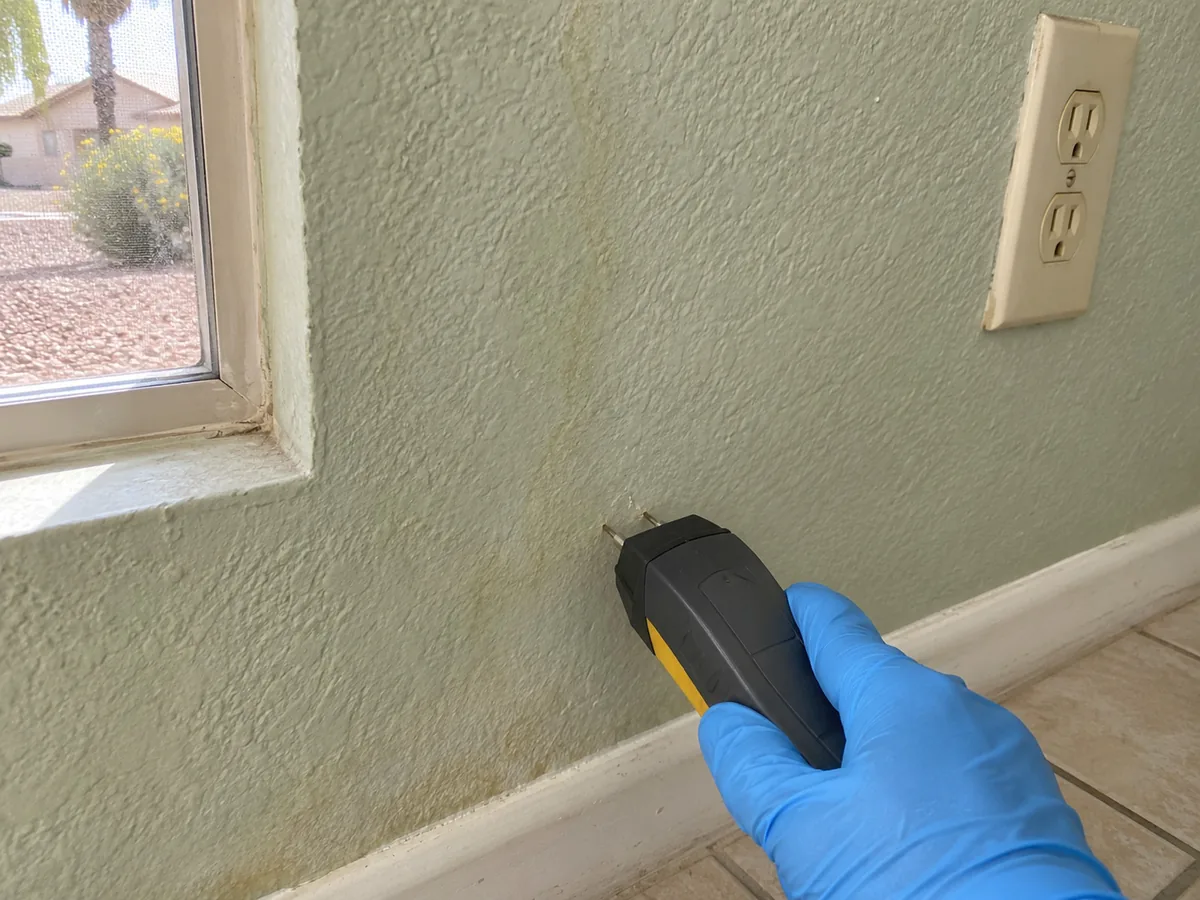
How to Prepare a Mercer Island Home for Heavy Rain
Trace the last water entry, check accessible drains, and know when rainfall damage needs source repair and drying.
Read the guide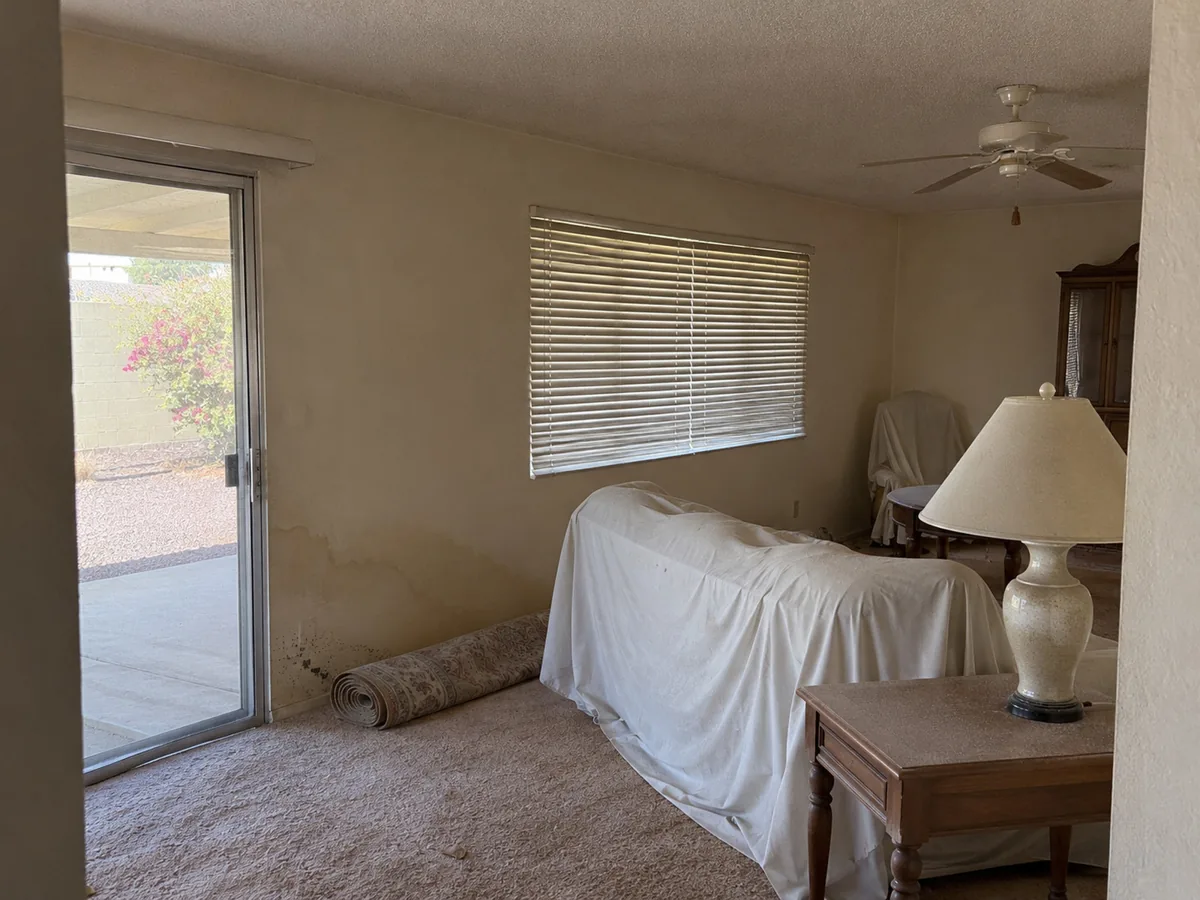
PROPERTY CARE
Found a Water Leak After Vacation? What to Check First
Record an uncertain leak date, arrange authorized access, protect belongings, and plan assessment of concealed damage.
Read the guide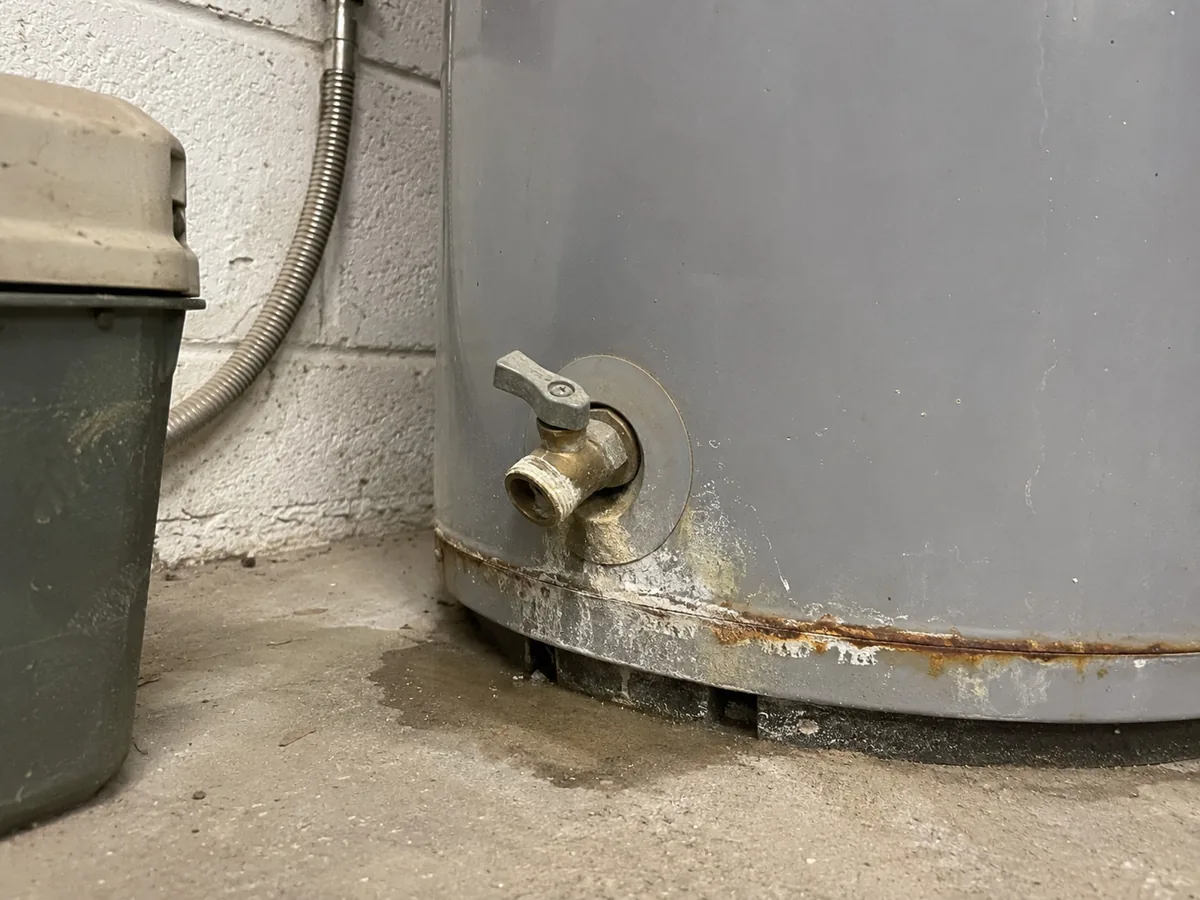
PROPERTY CARE
Water Heater Leaking? Check the Damage Around It
What to record around a leaking heater, including platforms, adjacent walls, and hidden floor layers.
Read the guideCONTACT MERCER ISLAND RESTO
Contact us about your water damage
Tell us what happened, which rooms are wet, and whether the source has stopped.
Monday through Friday, 8:00 AM to 7:00 PM
Emergency service: 24 hours
For a non-urgent enquiry, complete the form to prepare an email. Your email app opens with the details; send the draft there to contact us.
USEFUL ANSWERS
Before you make the call
What should I do first after discovering water?
Keep clear of electrical hazards, sewage, and unstable ceilings. If a clean water supply valve is safely accessible, shut it off. Call with the apparent source and affected rooms. For a life-threatening emergency, call 911.
Do you offer emergency service?
Emergency service is available 24 hours. Call (564) 777-0869 to discuss your location and current conditions. Arrival time and work scope are confirmed directly.
Will insurance cover the damage?
Coverage depends on the policy, cause, and circumstances. Ask your insurer about reporting and documentation requirements. Keep photographs, repair records, and invoices; no coverage outcome is promised.
Which cities do you cover?
Mercer Island is our primary service area. We also cover Bellevue, Seattle, Medina, Newcastle, and Clyde Hill. Call to confirm arrangements for your property.
LET’S TALK ABOUT WHAT HAPPENED
Water where it shouldn’t be?
Tell us the source, what is wet, and whether the water is still coming in.