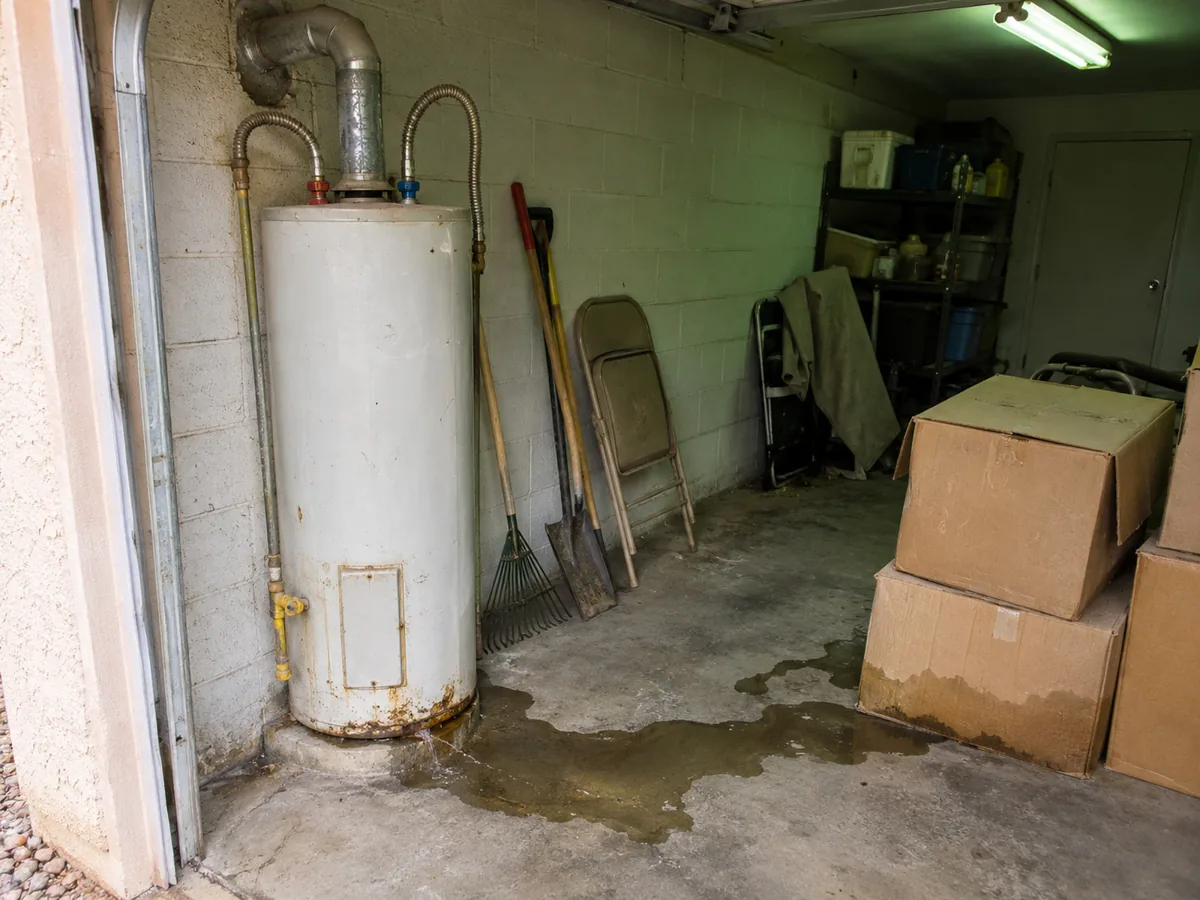
Water around a heater may come from the tank, a connection, or a discharge line. Hot water and nearby electrical or fuel equipment make this an area to keep clear until the equipment is made safe.
WHAT HAPPENS NEXT
What an assessment should consider
- 01
Keep away from hot water and affected electrical equipment.
- 02
Arrange diagnosis and repair of the heater by the appropriate trade.
- 03
Inspect nearby walls and the room on the other side.
- 04
Dry affected materials after the leak and hazards are controlled.
Discuss the scope before work begins
Share the discovery time, whether the source is controlled, and the rooms or materials involved. Mention any previous repairs and any known contamination. Work depends on actual conditions and access.
Ask which materials may need removal, how the area will be protected, and what information will be recorded. Repair of the original plumbing, roofing, HVAC, or drainage fault may require another professional.
Find out why there is water around the heater
A puddle beside a water heater can come from several places: the tank, nearby connections, a discharge line, or another source in the same room. The cleanup should not begin with a remote diagnosis that the tank has failed. Have the equipment examined by the appropriate service professional and share what they find.
The equipment area may involve hot water, electricity, or fuel connections. Keep clear of wet controls and do not dismantle components to photograph a suspected leak. If the surrounding area cannot be approached safely, say so when you call. The safe access question comes before the extraction plan.
Check walls beside and behind the installation
A heater can stand close to a framed wall, on a platform, or beside stored belongings. Water may collect behind it where the floor is difficult to see. An assessment should consider the nearest wall bases and the adjoining room rather than stopping at the equipment footprint.
Where there is a platform, ask whether its construction and underside are accessible for inspection. A damp exterior face may not show the condition of the enclosed space. Moving or disconnecting the heater may require a separate trade, so access decisions should be coordinated before the restoration scope assumes that area can be reached.
A drain pan does not establish the extent of damage
A pan may hold some water, but its presence does not prove that no water escaped. Look at the documented water path and condition of surrounding materials. An overflow or an unsuitable connection can leave damage beyond the pan while the most obvious water remains close to the tank.
If the heater has been replaced before an assessment, keep photographs of the previous installation if they already exist. Record the wet footprint and any finishes that were moved. Those details help distinguish the original damage from work associated with removing the equipment.
Complete the building cleanup after the repair
Replacing or repairing the heater prevents further release only if the actual source has been addressed. The adjacent wallboard, cabinet, or floor still needs its own assessment. Drying should be based on those materials, with access to concealed layers where the condition warrants it.
Before stored items return to the area, review their condition and leave the equipment access required by the service professional. Avoid covering a damp platform with new finish material to make the room look complete. The repair sequence should allow both the equipment and the building around it to be checked.
What the inspection needs to resolve
| Observed condition | Why it matters | Useful next step |
|---|---|---|
| Puddle beside the tank | Several components may be responsible | Arrange source diagnosis before assumptions |
| Wet equipment platform | The enclosed underside may be affected | Coordinate safe access with the equipment trade |
| Water behind the heater | Nearby wall bases may be difficult to inspect | Account for access in the cleanup scope |
How to tell whether drying is progressing
The useful comparison is between repeat readings at identified locations. Ask which wall, floor layer, or framing member is being checked and whether the instrument setting suits that material. An unexplained number from a handheld meter is less useful than a record that shows the location, method, and change over time.
Room temperature and humidity describe the surrounding air. They do not prove that the center of a thick material or the underside of a floor has dried. A dry surface and a damp concealed layer can exist at the same time. Where readings stop improving, access, equipment placement, or the assumption that the source has stopped may need another look.
Before finishes are reinstalled, review the affected assembly and any product-specific installation requirements with the repair contractor. The target for a replacement flooring system may involve a different test from a quick moisture survey. Avoid treating one meter setting or a fixed number of equipment days as a universal completion test.
What to ask for in the work scope
Ask for a description of the affected rooms and the materials included in the work. A room name alone is not enough when water has reached a cabinet cavity, an adjoining closet, or the ceiling below. Mark the boundaries together and ask what would cause the scope to change after work starts.
The estimate should distinguish water removal, cleaning, equipment, material removal, and reconstruction where those items apply. Ask whether monitoring visits are included and how additional findings are approved. A price based only on square footage can miss the difference between accessible tile and several wet layers beneath an installed floor.
Keep a copy of the agreed scope alongside discovery photographs, the source repair report, and later invoices. These records help you follow the job and answer questions from a property manager or insurer. Your insurer determines coverage under the policy; the cleanup contractor’s assessment documents conditions and proposed work.
USEFUL ANSWERS
Before you make the call
Does a puddle mean the entire tank has failed?
No. A connection or another component may be responsible. A qualified service professional should diagnose the heater; the cleanup plan should address the water that escaped.
Is water heater leak cleanup available outside Mercer Island?
We also cover Bellevue, Seattle, Medina, Newcastle, and Clyde Hill. Call with the property city, affected rooms, and access requirements to discuss an assessment.
What should I tell the water heater leak cleanup help line?
Water around the heater or in the next room? Describe the wet area and any equipment access concerns.
What affects the scope of water heater leak cleanup?
The water source, duration, affected materials, contamination, and access all matter. Discuss the proposed work and any separate source repair before authorizing the scope.
Can I call about water heater leak cleanup after office hours?
Emergency service is available 24 hours at (564) 777-0869. Office hours are Monday through Friday, 8:00 AM to 7:00 PM. Call directly to discuss the current situation and availability.