Published November 4, 2026 · Mercer Island Resto
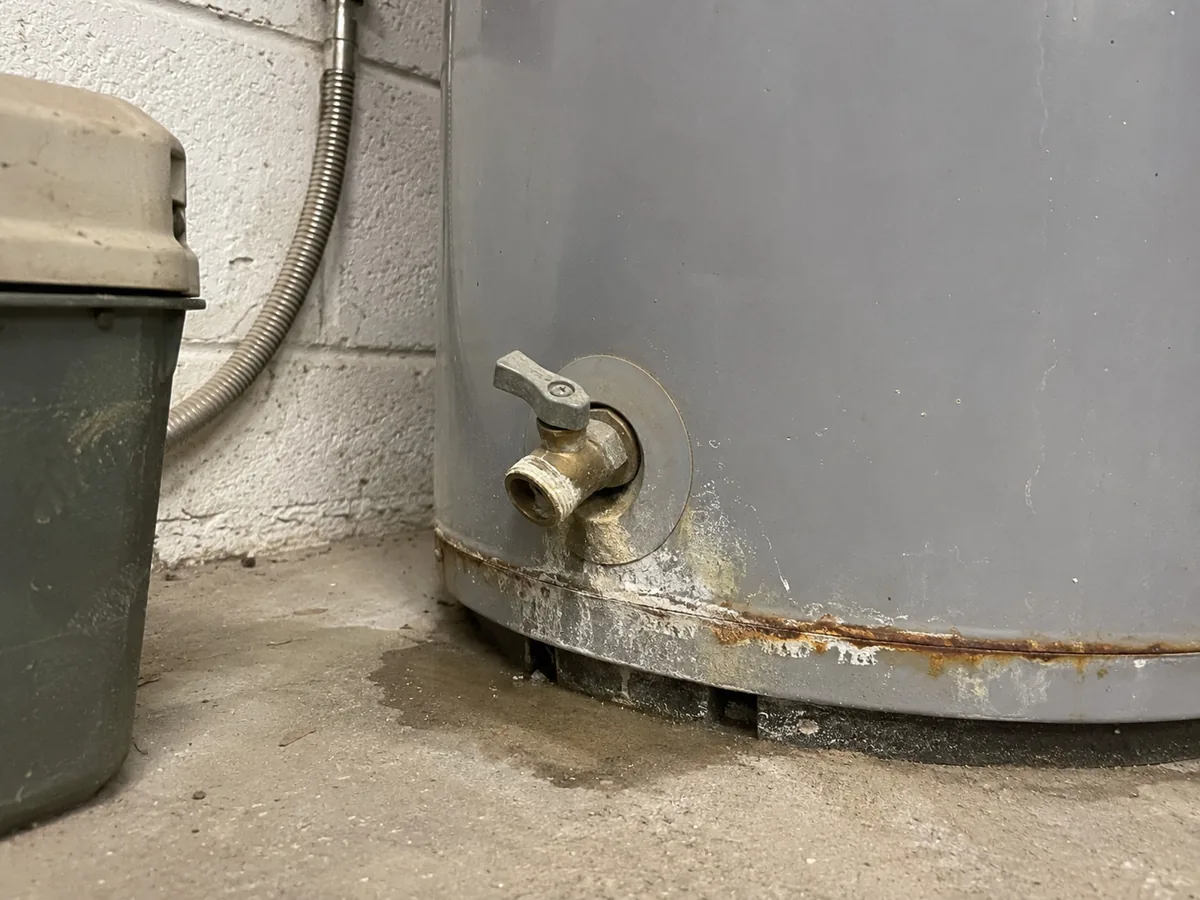
Water beside a heater needs two investigations: why the water escaped and what it reached in the building. Replacing the appliance may stop the release, but it does not automatically dry the platform, the wall behind it, or the floor in the next room. Keep those questions connected when arranging the work.
Start with safe access around the equipment
The area may contain hot water, electricity, or fuel connections. Keep clear of wet controls and do not dismantle the heater to locate a leak yourself. Describe the visible conditions to the appropriate equipment professional. If the installation cannot be approached safely, say so before discussing photographs or model information.
There is no need to move the unit or reach behind it to improve a picture. A wide view taken safely can show the equipment location and the wet area around it. Keep people and pets away from an unsafe installation. Any source diagnosis or equipment shutdown should be handled according to the relevant professional’s advice and the manufacturer’s instructions.
A puddle does not identify the failed component
Water may come from the tank, a connection, a discharge line, or another source nearby. It can travel along the exterior before collecting on the floor. Record where it is visible and when it appears, but let the equipment professional determine the cause. The amount seen at one moment is not necessarily the total amount released.
The heater’s age and service history are useful background if those records are already available. They are not a substitute for diagnosis. Keep the repair explanation with the cleanup record so the restoration work follows the confirmed source. Our water heater leak cleanup service addresses the building damage around the equipment; appliance repair is a separate scope.
Look beyond the appliance footprint
| What you notice | What to record | Who or what to check next |
|---|---|---|
| Water in or around a drain pan | Where it collected and whether water escaped the pan | Equipment diagnosis and the surrounding floor |
| Wet wall beside the heater | Baseboard, adjoining room, and accessible wall edges | Moisture assessment of the wall assembly |
| Damp equipment platform | Visible construction and accessible underside | Coordinate inspection access with the equipment trade |
| Wet flooring outside the closet | Threshold, floor type, and transitions | Assess finish, underlayment, and substrate |
The wall behind the unit can be difficult to inspect
A tight service closet may hide the wettest part of the room. Water can reach the base of a wall or the cavity beneath a platform without leaving much visible water in front. Ask which locations can be checked directly and whether equipment access must be coordinated with the plumbing or HVAC trade.
If a wall is shared with a bedroom, closet, or garage area, mention the room on the opposite side. The assessment should follow evidence of spread instead of stopping at the heater closet door. A moisture survey can identify suspect materials, but concealed access may still be needed to answer a particular question.
A pan can limit spread without proving the room stayed dry
The presence of a pan is useful information, but it is not proof that all escaped water was contained. An overflow, an unsuitable connection, or water taking another route can affect materials beyond it. Describe the wet boundary and any evidence at nearby wall bases rather than judging the loss only by what remains in the pan.
If the heater was removed before the restoration assessment, preserve existing photographs of the original installation and the floor beneath it. Keep the source repair report and note any materials moved during replacement. This helps distinguish damage from the leak from the access and handling needed for the equipment work.
Floor materials may need separate decisions
The flooring outside a service closet may contain more layers than are visible at the threshold. Water can reach an underlayment or substrate while the top surface still looks acceptable. Swelling, lifted seams, or a changed edge are observations to record, not a complete decision about whether the floor can be saved.
The floor and subfloor drying page explains the questions to ask about retained layers and replacement materials. If a floor must be reinstated, the installer may require its own substrate test. An extraction visit and a flooring acceptance test answer different questions and should not be treated as interchangeable.
Coordinate equipment repair with extraction and drying
Once the source has been addressed and the area is safe, accessible water can be removed and affected materials assessed. Water extraction deals with liquid that equipment can reach. Structural drying addresses moisture held in wall, platform, and floor assemblies after the visible water is gone.
Ask who will check progress and which concealed areas remain uncertain. If readings stop improving, another access decision or source check may be needed. Adding more time without reviewing the cause of stalled progress may leave the same problem unresolved. Keep the equipment repair and material assessment information available to everyone working on the loss.
Do not close the platform or wall only because the new heater works
A working replacement heater is evidence about the equipment, not the moisture condition of the building around it. Before an enclosure is rebuilt or trim returns, review the affected materials and the repair requirements. Discuss which trade is responsible for each finish and how inspection access will be closed.
If a new stain or odor appears later, record it as a current observation. The return of moisture may indicate another source or an area that needs further investigation. Share the dates and repair history rather than assuming the mark is only left over from the first event.
Information to keep before the service visit
- The discovery time and whether water is still appearing.
- Existing heater model, maintenance, and repair records if readily available.
- A safe wide photograph of the installation and affected rooms.
- Details of the platform, adjacent wall, and floor material if known.
- Access arrangements for the equipment trade and the restoration assessment.
Arrange the right next step for your property
For restoration in Mercer Island or Newcastle, review the area information and contact Mercer Island Resto about the wet building materials. We also serve Bellevue, Seattle, Medina, and Clyde Hill. If the leak was found after the property had been empty, the guide to water damage discovered after time away explains how to document an uncertain start date.